
When the topic of dieting comes up, the phrase "boost your metabolism" inevitably comes up. While boosting metabolism is indeed very important for weight loss, there's a lot of conflicting information circulating about what to do.
In that context, here are three points that I consider important for boosting metabolism:
- For exercise, I prefer strength training and HIIT over aerobic exercise.
- Make sure to get enough protein (meat, fish, eggs, tofu, etc.), vegetables, and water.
- Don't be fooled by sweat. Your metabolism increases more in cold environments than in hot ones.
This article explains the reason.
- 1 What exactly is metabolism?
- 2 It's easier to understand metabolism if you classify it into three categories.
- 3 Strength training is highly recommended for boosting metabolism through exercise.
- 4 Boosting metabolism through diet: Protein and vegetables
- 5 The misconception that sweating increases metabolism
- 6 summary
What exactly is metabolism?
Metabolism is called "metabolism" in English. The sound of this word is somewhat similar to metabolic syndrome, isn't it?
Actually, metabolic syndrome is literally translated as metabolic syndrome. However, it is more accurate to say metabolic disorder syndrome, which refers to a condition in which metabolic abnormalities occur due to fat accumulation and poor lifestyle habits, resulting in an increased risk of conditions such as arteriosclerosis and diabetes.
I've gone off on a tangent. The dictionary definition of metabolism is as follows:
"A general term for all biochemical reactions that occur within a living organism to acquire energy essential for life-sustaining activities and to synthesize organic materials necessary for growth."
To put it more simply, it refers to all the bodily functions necessary for survival, such as moving the body, maintaining body temperature, and repairing injuries.
It's easier to understand metabolism if you classify it into three categories.
There are various ways to classify metabolism, but the following three classifications are useful when working on a diet.
- Basal metabolism (60-70%)
Energy consumed to maintain life activities - Life activity metabolism (20-30%)
Energy expenditure from physical activity in work and daily life - Diet-induced thermogenesis (10-20%)
Energy consumed through digestive activity
The key to successful dieting lies in how to increase these three aspects.
Strength training is highly recommended for boosting metabolism through exercise.
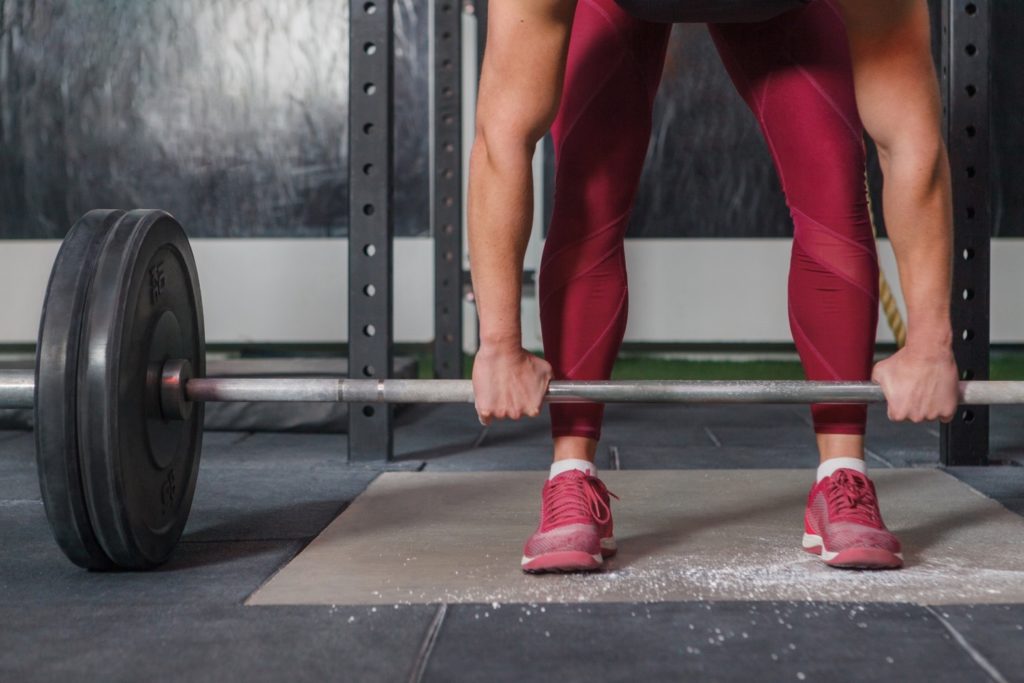
When it comes to exercise for weight loss...Strength training is highly recommended.Here, I will explain the reason in relation to metabolism.
When we think of increasing energy expenditure, exercise is the first thing that comes to mind, but the effects of exercise can be divided into two categories depending on what you do.
- Exercises primarily aimed at increasing basal metabolism
- Exercise primarily aimed at increasing metabolic rate through daily activities.
In this context, an increase in basal metabolism is what is meant by "
- The amount of energy consumed for the body's recovery and strengthening increases.
- Increased muscle mass leads to a higher basal metabolic rate.
That's the effect.
When you talk about dieting...Low-intensity aerobic exerciseWhile this is a common perception, low-intensity exercises result in little physical fatigue or muscle stimulation, thus having little effect on increasing basal metabolism, and only energy consumption is achieved.Actual energy consumption is very low.is.
on the other hand,High-intensity strength trainingAlthough the energy consumption itself is low, it increases muscle mass (or prevents muscle loss).Contributes to increased metabolism in the long termYes. Also, since the exercise time is short, it's very time-efficient.
Furthermore, building strong muscles has only benefits, as it helps to shape your body and provides a foundation for being able to move around actively even in old age.
that's whyFor those looking to lose weight, strength training is highly recommended.That's right.
Another recommended exercise alongside strength training is HIIT (High-Intensity Interval Training). Essentially, this involves performing short bursts of intense exercise (such as sprinting uphill) several times with rest days in between.
It's recommended for weight loss because it improves muscle strength and aerobic capacity, and increases EPOC (Extra-Focused Carbohydrate Consumption), which is the energy the body uses when recovering...
It's extremely tough, so it really divides people into those who can do it and those who can't.
This product is not recommended for people with little to no exercise experience, those with injuries, the elderly, or those at risk of developing lifestyle-related diseases.
Boosting metabolism through diet: Protein and vegetables
The key to boosting your metabolism through diet is protein, vegetables, and water. I will now explain why these three are so important.
Protein is the most important nutrient for dieting.
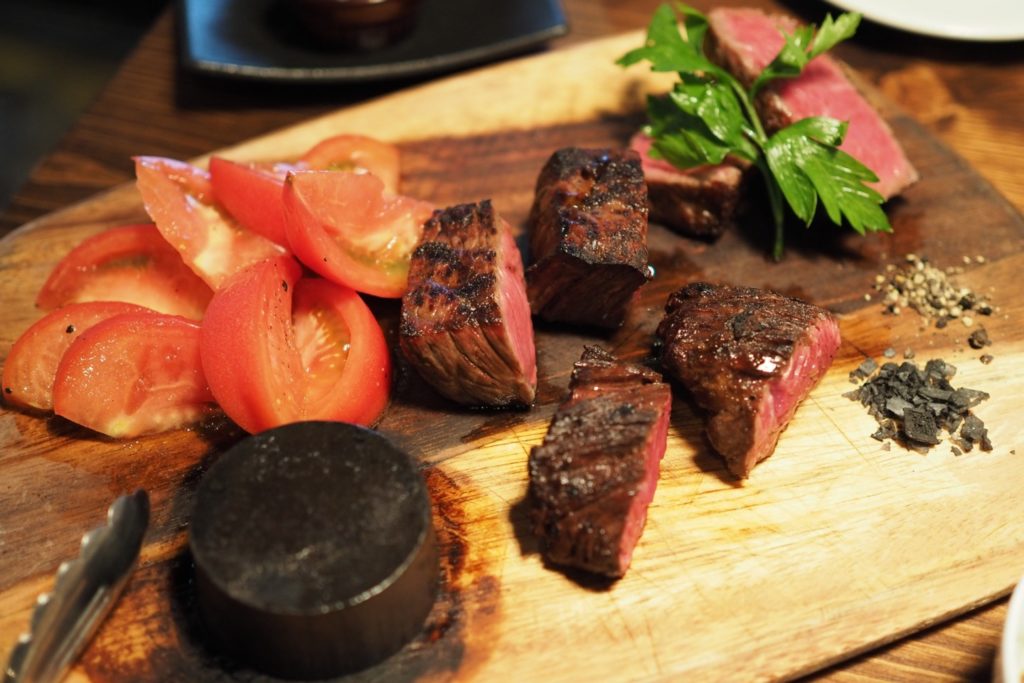
Many foods and supplements are featured on the internet and television as foods that boost metabolism,Very few have been scientifically proven to have significant effects.Among these options, a high-protein diet is known to reliably boost metabolism.
Digesting protein requires about five times more energy than digesting carbohydrates or fats. This means that even if you eat the same amount of meat, eggs, or tofu as you would white rice, the actual calorie intake will be lower.
Furthermore, the fact that it's difficult to digest also means it keeps you feeling full for a long time.
Protein is excellent both as a food that increases satiety during dieting and as a food that boosts metabolism.If you're trying to lose weight, focus on eating plenty of protein.
Why vegetables are important
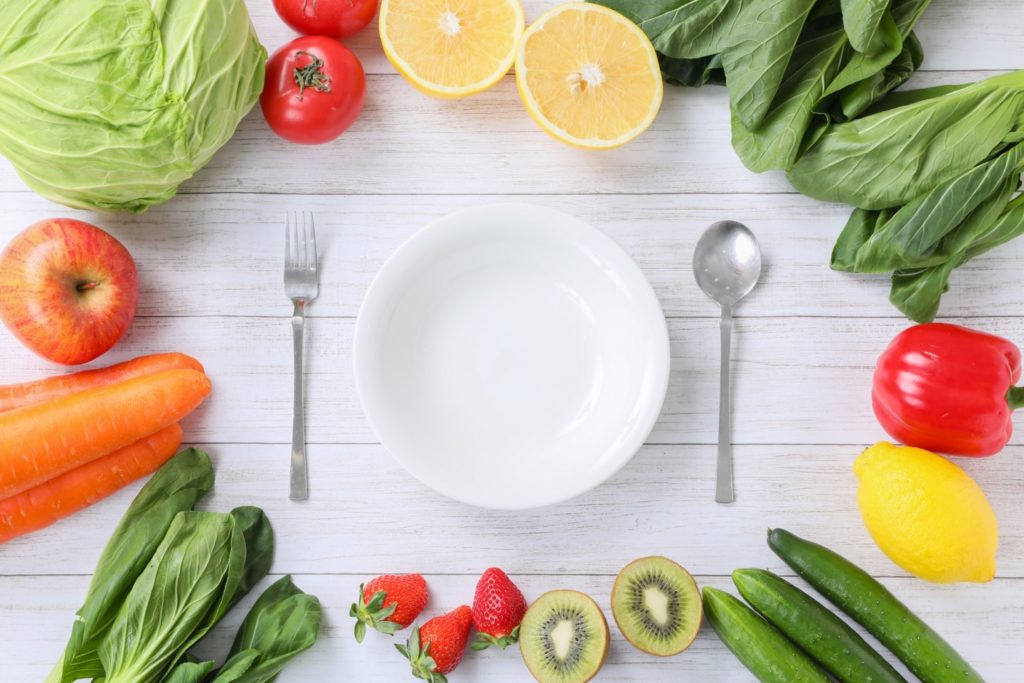
Next, vitamins and minerals are important nutrients for boosting metabolism. These micronutrients play a role in supporting various metabolic processes in the body, and a deficiency can hinder smooth metabolism.
And you probably already know what foods are rich in vitamins and minerals, right? Vegetables.
To elaborate further,Vegetables, seaweed, mushrooms, fruitsis.
When dieting, make sure to eat plenty of vegetables along with protein. If you're really not getting enough, you can take vitamin supplements, but first, try to increase the amount of vegetables you eat.
This is because it is rich in dietary fiber. Dietary fiber helps improve the intestinal environment, which naturally has a positive effect on weight loss.
By the way,Vegetable juices and fruit juices are not allowed.These are just like regular juices. It's important to choose the least processed ones possible.
Your body needs plenty of water.
"Huh? Water?"
You might think that water is unnecessary, but it's essential for smooth metabolism in the body. Almost all chemical reactions in the body take place in water.
Furthermore, a lack of water impairs the circulation of blood and bodily fluids.
This is an important point,When you're on a diet, you tend to eat less, which can lead to dehydration.Most foods are about 60-70% water, you know.
Therefore, consciously drinking plenty of water while dieting is important for boosting your metabolism.
What about other nutrients?
Food nutrients are divided into three major nutrients, but lipids and carbohydrates were not mentioned. These two have a lower priority from the perspective of boosting metabolism.
However, since lipids are also building blocks for cell membranes and hormones, it's necessary to consume good quality lipids in moderation. Extreme fat restriction is not recommended.
Since carbohydrates only provide energy, they should be given very little priority when dieting. It's best to eat them only as a bonus after you've had plenty of protein and vegetables.
The misconception that sweating increases metabolism

The basics of dieting are diet and exercise. I've explained the key points for boosting metabolism using those two, but there's one more thing I absolutely want to mention.
Why?Many people believe that sweating increases metabolism.Yes. Typical examples include spending time in hot environments such as hot yoga, saunas, and bedrock baths.
Actually, it's the complete opposite.When the outside temperature exceeds 32 degrees Celsius, the body's basal metabolic rate drops to its lowest point.Because it would raise body temperature too high, putting your life at risk. It wouldn't be a matter of increasing energy consumption.
Sweating is simply a way to regulate body temperature, and it's a mistake to associate it with metabolism.
The feeling of warmth in your body is due to being warmed by the outside temperature, not because your metabolism has increased. No fat is being burned at all.
While I don't dismiss saunas entirely, as they offer mental benefits such as a sense of well-being, they are off the mark if your goal is to boost your metabolism.
Wearing thick clothes or trying to sweat in hot environments offers no benefits to boosting metabolism or weight loss.Please keep that in mind.
Incidentally, the best environment for boosting metabolism is the opposite of a hot environment: a cold one. When it's cold, you're forced to increase your metabolism whether you like it or not.
If you don't like the cold, some studies suggest that simply cooling areas with a high concentration of brown fat cells (such as the armpits and back) can boost your metabolism.
However, prolonged exposure to extremely low temperatures can cause your body to become too cold, so do it in moderation.
The average human body temperature is around 36°C, but we can live normally even when the ambient temperature is around 20°C (16°C lower than body temperature). On the other hand, imagine a situation where the temperature is 16°C higher than body temperature (52°C). It would be extremely difficult to live normally in that situation. It becomes very uncomfortable as soon as the ambient temperature exceeds body temperature.
Thus, humans have a wide range of adaptability to low temperatures by increasing heat production (i.e., metabolism), but their range of adaptation to high temperatures is narrow. Perhaps this is because we survived ice ages.
summary
So, what did you think of the discussion on metabolism? Here are three key points that people on a diet should keep in mind:
- For exercise, intense workouts like weight training or HIIT are better.
- Make sure to get enough protein (meat, fish, eggs, tofu, etc.), vegetables, and water.
- Don't be fooled by sweat. Your metabolism increases more in cold environments than in hot ones.
Keep these points in mind when you start your diet.
comment
この記事へのコメントはありません。